
The recent news articles involving Tom Boyd, a young man with autism who volunteered at Waitrose for over 600 hours, has raised important questions about the nature of volunteering, disability discrimination, and workers’ rights under the Equality Act 2010.
While volunteers are generally outside the protections that apply to workers or employees, there are nuances to consider – especially for volunteers with disabilities.
This article explores how UK law addresses the status of volunteers, workers, and employees, and provides practical guidance on the rights and responsibilities under the Equality Act, especially in relation to disability discrimination and reasonable adjustments.
What is Volunteering, and When Does it Become Employment?
In England and Wales, whether someone is a volunteer or an employee can have significant legal implications. The Equality Act 2010 (the Act) protects people from discrimination at work, but the protections it offers depend on your employment status.
- Employee: Generally, someone under a contract of employment, meaning there are mutual obligations between the employer and the employee. Employees enjoy a full range of employment rights, including protection from discrimination under the Act.
- Worker: A broader category that includes people who provide services to an organisation but may not have a formal employment contract. Workers are entitled to many of the same rights as employees, including protection against discrimination.
- Volunteer: Volunteers typically do not have a formal contract for pay or fixed obligations. Their relationship with the organisation is often informal, and they are not entitled to employment rights unless the arrangement effectively qualifies them as a worker or employee.
The distinction is not just about labels; employment tribunals look at the reality of the relationship, considering factors like mutuality of obligation (whether both the volunteer and organisation are committed to the arrangement), control (how much oversight the organisation has over the individual’s tasks), remuneration (whether the individual receives payment beyond expense reimbursement), and personal service (whether the individual is required to work personally or can substitute others).
When Does Volunteering Become Work?

Although volunteers are generally outside the scope of employment protections under the Act, there are circumstances where the relationship between a volunteer and an organisation might shift into worker or employee status.
- Mutuality of obligation: If an organisation is required to provide work, and the volunteer is obligated to accept it (beyond occasional volunteering), this may indicate that the volunteer has worker or employee status.
- Personal service: A requirement for the volunteer to perform the work personally (without the right to send someone else in their place) also supports the idea that they might be a worker.
- Remuneration: Regular payments, benefits, or reimbursements that go beyond reasonable expenses (such as training, perks, or allowances) can suggest an employment relationship.
- Control: If the organisation manages the volunteer’s hours, monitors their performance, or integrates them fully into the workforce, this can also indicate that the volunteer is actually a worker or employee.
The Equality Act and Volunteers with Disabilities
When it comes to disability discrimination, the Equality Act provides protections to those with disabilities, but only for those who are considered employees or workers. Pure volunteers typically fall outside Part 5 of the Act (the section covering work). However, volunteers can still have protections under Part 3, which deals with services and public functions.
For example, if a volunteer with a disability is treated unfairly or excluded from participating due to their disability, the organisation may be in breach of their duty to make reasonable adjustments under the Act.
These adjustments are intended to ensure that individuals with disabilities are not disadvantaged compared to non-disabled individuals. Even if a volunteer is not an employee or worker, organisations that provide services to the public must consider adjustments under the Part 3 provisions of the Act.
Reasonable Adjustments and Disability Discrimination in Volunteering

If a volunteer is, in law, an employee or worker, then the duty to make reasonable adjustments under the Equality Act applies. This duty requires an organisation to take reasonable steps to avoid a situation where a disabled individual is at a disadvantage compared to non-disabled individuals. Reasonable adjustments might include:
- Modifying working hours or tasks
- Providing additional support or aids (such as assistive technology)
- Making physical changes to the workplace or volunteering environment
If the volunteer is not an employee or worker but interacts with the public (for example, during volunteer recruitment events or as a service user), the organisation must still consider reasonable adjustments under Part 3 of the Act.
When Does a Volunteer Transition into Worker or Employee Status?
The line between volunteer and employee can become blurred, especially if the volunteer is performing regular, integral work for the organisation. Tribunals look at the substance of the relationship – not just the label – to determine whether an individual should be classified as a worker or employee.
Indicators that a volunteer might be considered a worker or employee include:
- The organisation requires the individual to attend regularly and performs tasks integral to the operation
- The volunteer receives regular payments or benefits beyond simple reimbursement of expenses (e.g., perks, allowances)
- There are set hours, performance management, and disciplinary procedures
- The individual’s tasks and role are closely aligned with those of paid staff
Where these factors exist, the organisation may face legal obligations under the Equality Act and broader employment law, such as paying the National Minimum Wage, providing holiday pay, and ensuring protection against discrimination.
Practical Guidance for Organisations
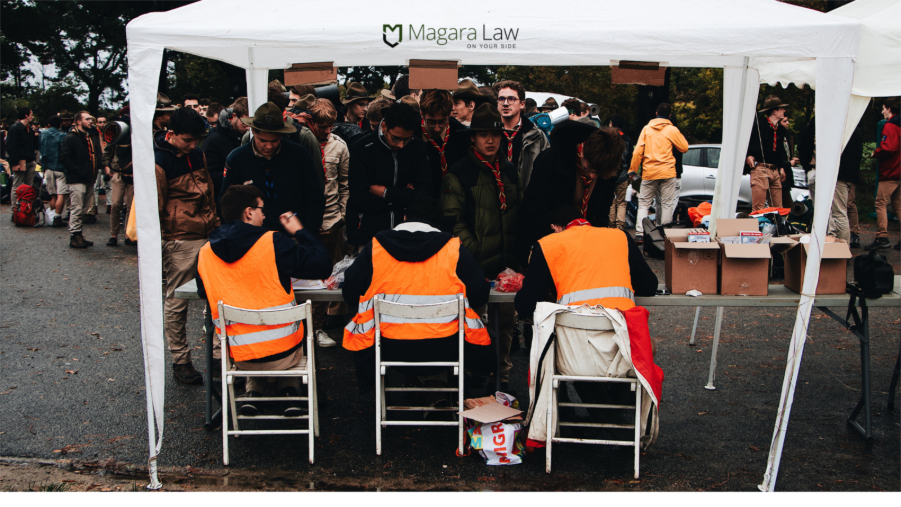
Organisations must ensure that their volunteer arrangements are clearly defined and do not unintentionally create employment relationships. Here are practical tips for managing volunteers effectively:
- Clear volunteer agreements: Use a volunteer agreement that states the relationship is non-contractual and benefits are limited to out-of-pocket expenses.
- Avoid regular payments: Do not provide regular payments, honoraria, or allowances beyond reimbursement for expenses.
- Flexible attendance: Volunteers should have the freedom to decline tasks or hours without consequences. Avoid creating set schedules or obligations akin to those of paid employees.
- Disability and equality awareness: Create an inclusive environment by training staff and volunteer coordinators on disability awareness. Ensure that volunteers with disabilities can disclose their needs confidentially and request reasonable adjustments where needed.
- Accessibility: Ensure that your recruitment processes, training, and work environments are accessible to volunteers with disabilities.
- Regular review: Periodically review volunteer roles to ensure they have not unintentionally drifted into employee or worker status.
Practical Tips for Volunteers

If you are volunteering and have a disability, here are a few things to keep in mind:
- Clarify expectations: Always get a clear role description and make sure there is no expectation of work beyond volunteering, with no penalties for non-attendance.
- Disclose your needs: If you have a disability, inform the organisation early on so they can make reasonable adjustments to support you.
- Track benefits: Keep a record of any payments or benefits beyond simple expense reimbursement. If you are receiving regular allowances, you may be classified as a worker.
- Monitor changes: If you start to find your volunteering duties becoming more like those of paid staff (set hours, performance reviews, mandatory attendance), seek advice about your employment status.
Clarity and Compliance: Securing Fair Volunteer Relationships Under the Equality Act
Understanding when volunteering crosses into employment and knowing the protections available under the Equality Act 2010 is crucial for both organisations and volunteers. Even if you’re not classified as an employee or worker, there are still important considerations related to disability discrimination and reasonable adjustments.
By ensuring clarity in volunteer agreements, being aware of the risks of creating worker status, and taking proactive steps to foster an inclusive environment, organisations can avoid legal pitfalls and create a fairer, more accessible volunteering experience.
For both organisations and volunteers, it’s essential to review your arrangements regularly to ensure compliance with the Equality Act and other relevant employment laws.
Don’t Let Volunteering Become a Legal Grey Area
If your organisation needs expert legal support on volunteer arrangements, employment status or disability rights under the Equality Act 2010, contact Magara Law today.
Our specialist team advises charities, voluntary organisations, and employers across the UK – helping you understand when volunteering risks becoming employment, and how to ensure your practices remain fair, lawful, and inclusive.
Speak to our team today and make sure your volunteer policies protect both your people and your organisation.