

You manage a team. You follow procedure. You raise concerns professionally. Yet every decision is challenged, information is withheld, complaints appear coordinated, and your authority is consistently undermined.
Meetings become hostile, your confidence starts to falter, and you are left wondering whether the problem is your leadership – or something far more insidious.
For many managers and senior employees, this experience is not poor team dynamics. It is upward bullying.
Upward bullying rarely looks dramatic. There may be no shouting, no overt threats, and no single incident that clearly crosses a line.
Instead, it is the accumulation of persistent undermining, passive resistance, and calculated behaviour designed to destabilise authority and force a senior employee out. Victims often feel isolated, disbelieved, and uncertain whether the law offers any protection at all.
For employers, the issue can be just as difficult. What appears to be “pushback”, or “robust challenge”, can in fact be coordinated bullying that exposes the organisation to serious legal risk if left unaddressed.
Mishandled, these situations can lead to harassment claims, constructive dismissal, stress-related illness, and reputational damage.
Although UK law does not use the term “upward bullying”, it does provide clear legal routes through which this conduct can become unlawful. Understanding where that line is drawn – and what both employers and individuals should do next is essential.
Is the term “upward bullying” not used in UK law because it’s simply overlooked?
Arguably, yes! Upward bullying in the workplace is one of the most overlooked yet legally risky forms of workplace conflict. Unlike traditional bullying, it occurs when a manager or senior employee is persistently undermined, intimidated, or sabotaged by junior staff.
It is often subtle, cumulative, and mislabelled as “pushback”, “team conflict”, or poor management style until the damage is already done.
For employers, upward bullying presents serious employment law risk, including exposure to harassment claims, constructive dismissal, and personal injury allegations. For managers and senior employees, it can lead to reputational harm, stress-related illness, and forced exits from employment.
Although UK law does not recognise a standalone claim labelled “upward bullying”, it provides several legal routes through which such behaviour can become unlawful. Understanding those routes and acting early is critical for both employers and employees.
What is upward bullying in the workplace?

Upward bullying occurs where one or more junior employees engage in persistent, targeted behaviour that undermines a manager or senior colleague. This behaviour may include:
- Repeated aggressive or disrespectful challenges
- Deliberate non-cooperation or refusal to follow reasonable instructions
- Withholding information necessary to perform managerial duties
- Coordinated or vexatious complaints
- Spreading rumours or damaging professional credibility
- Social exclusion or isolating behaviour
- Systematic resistance designed to destabilise authority
Crucially, upward bullying does not include legitimate workplace challenge, whistleblowing, or protected trade union activity. UK employment law protects good-faith grievances, health and safety disclosures, and public interest disclosures.
The legal distinction lies in whether there is a pattern of unreasonable conduct intended to intimidate, harm, or undermine, rather than to raise genuine concerns.
Impact of upward bullying on the workplace
Unchecked, upward bullying can have a profound and lasting impact on organisational culture and performance.
Managerial authority may gradually be diminished, making it increasingly difficult to manage performance, enforce standards, or implement decisions. This can result in inconsistent leadership, confusion within teams, and a culture where disruptive behaviour goes unchallenged.
Decision-making is often affected. Managers facing persistent resistance or coordinated complaints may delay taking action for fear of escalation or further allegations. Over time, this paralysis can undermine governance, productivity, and confidence at senior leadership level.
From a legal perspective, upward bullying creates significant employer risk. Repeated grievances, increased sickness absence, high turnover, or obvious team dysfunction can place an employer on notice of a bullying problem.
Where action is not taken, employers may face claims under discrimination law, harassment legislation, constructive dismissal principles, or health and safety obligations.
Impact on individuals experiencing upward bullying
For managers and senior employees, the effects of upward bullying are often overwhelming.
Persistent undermining can lead to chronic stress, anxiety, sleep disturbance, and loss of professional confidence. Because of their seniority, victims often feel unable to seek support, believing they are expected to “manage it” or fearing reputational damage if they speak up.
Professional standing may be harmed by coordinated complaints or narratives framed as “management issues”. Even where performance is strong, the individual may find themselves marginalised, excluded from decision-making, or placed under scrutiny.
Where the situation is not addressed, the impact on mental health can become severe. In some cases, the pressure becomes intolerable, leading to resignation and potential constructive dismissal claims where the employer has failed to intervene or protect the individual from foreseeable harm.
Legal framework: how UK employment law addresses upward bullying
There is no single statutory definition of bullying in UK law. Instead, upward bullying is addressed through established legal principles. Employers may be vicariously liable for bullying or harassment committed by employees in the course of employment, regardless of hierarchy, subject to statutory defences.
Equality Act 2010 – harassment at work
Section 26 of the Equality Act 2010 prohibits harassment related to a protected characteristic, including sex, race, disability, age, religion or belief, sexual orientation, gender reassignment, pregnancy or maternity, and marriage or civil partnership.
Harassment is unwanted conduct that has the purpose or effect of violating dignity or creating an intimidating, hostile, degrading, humiliating, or offensive environment.
Importantly, liability can arise even where the perpetrators are junior employees. Employers may only rely on a defence if they can show they took all reasonable steps to prevent the harassment.
Protection from Harassment Act 1997
A “course of conduct” that is oppressive and unacceptable may amount to harassment under the Protection from Harassment Act 1997. This route is not limited to discrimination and has been applied to workplace bullying scenarios, including where behaviour causes alarm, distress, or anxiety.
Employer duty of care and mental health
Employers owe a duty of care to protect employees’ physical and mental health. Where bullying is known or reasonably foreseeable, failure to act may result in personal injury claims if psychiatric injury occurs.
Constructive dismissal and breach of trust
A persistent failure to address bullying can breach the implied term of mutual trust and confidence. An employee who resigns in response may pursue a constructive unfair dismissal claim, subject to qualifying service and time limits.
Whistleblowing and victimisation
The Public Interest Disclosure Act 1998 protects workers from detriment for making protected disclosures. The Equality Act 2010 also prohibits victimisation for carrying out protected acts, such as raising discrimination complaints.
Employers must carefully distinguish protected activity from bullying behaviour.
Case law explained through upward bullying scenarios

UK case law confirms that bullying-type conduct can be unlawful even where it does not involve physical aggression or traditional power imbalance.
The principles established in Majrowski v Guy’s and St Thomas’ NHS Trust mean an employer may be liable where junior employees engage in sustained oppressive conduct against a manager during the course of employment.
Green v DB Group Services (UK) Ltd demonstrates that psychiatric injury caused by workplace bullying can result in damages where harm is foreseeable – a scenario easily mirrored where a manager’s deteriorating mental health is ignored while undermining behaviour continues.
In Veakins v Kier Islington Ltd, repeated oppressive behaviour met the harassment threshold without violence. Applied to upward bullying, this could include coordinated obstruction, public disparagement, or exclusion designed to force a manager out.
Burton and Rhule v De Vere Hotels reinforces the employer’s duty to protect staff from harassment regardless of its source, while Dunn v AAH Ltd confirms that harassment is assessed by both subjective impact and objective reasonableness.
When does upward bullying become unlawful?
Upward bullying becomes unlawful where it involves a course of oppressive behaviour causing alarm or distress, or where it constitutes harassment under the Equality Act 2010.
A single serious incident may be sufficient under discrimination law. Sustained patterns of undermining or exclusion may also support constructive dismissal claims where the employer fails to intervene.
Employer responsibilities: preventing, identifying, and responding to upward bullying

Employers have a legal and practical responsibility to address bullying risks wherever they arise, including where the alleged perpetrators are junior employees.
Upward bullying presents particular challenges because it can be mischaracterised as “pushback”, “team conflict”, or poor management style, rather than recognised as harmful conduct requiring intervention.
Once an employer is on notice of potential bullying, inaction or superficial responses significantly increase legal exposure. Reasonable steps must be active, not theoretical, and must be capable of preventing recurrence.
Clear policies that expressly cover upward bullying
A robust anti-bullying and harassment policy is the foundation of any lawful response. Policies should make clear that bullying is unacceptable regardless of seniority and should expressly acknowledge that bullying can occur upwards as well as downwards or between peers.
Policies should include practical examples of prohibited conduct, such as coordinated undermining, deliberate non-cooperation, exclusion, or misuse of complaints processes.
Reporting routes must be clearly signposted and accessible, particularly where the affected individual is a line manager who may feel constrained about raising concerns internally.
A policy that exists on paper but is not understood, applied, or enforced will not assist an employer seeking to rely on statutory defences.
Training that distinguishes lawful challenge from bullying
Training is critical in distinguishing protected activity from unlawful conduct. Managers and staff should be trained on respectful challenge, protected disclosures, Equality Act harassment, and the distinction between robust debate or performance concerns and bullying behaviour.
Without this clarity, organisations risk either discouraging legitimate grievances or allowing harmful conduct to continue under the guise of “speaking up”. Training should be refreshed regularly and tailored to managerial and team-level responsibilities.
Safe reporting channels and protection from retaliation
Employers should provide safe and trusted reporting mechanisms, including HR escalation routes and, where appropriate, confidential or anonymous reporting channels. Individuals must be reassured that raising concerns will not result in retaliation, either directly or indirectly.
This is particularly important where multiple complaints or coordinated allegations are raised against a manager, as the risk of reputational harm and procedural unfairness is heightened.
Prompt, impartial, and well-scoped investigations
Where concerns arise, employers should investigate promptly and impartially. Investigations should be conducted by trained individuals with clear terms of reference, focusing on behaviour, patterns, and impact rather than personalities or hierarchy.
Accurate records must be kept, and investigators should be alert to the risk of conflating protected activity with misconduct. Where appropriate, interim measures may be necessary to protect all parties while matters are investigated, including temporary reporting adjustments or mediated boundaries.
Proportionate outcomes and remedial action
If allegations are upheld, employers must take proportionate disciplinary action. This does not always mean dismissal; appropriate responses may include formal warnings, behavioural expectations, or sanctions consistent with internal procedures.
Employers should also consider remedial steps to prevent recurrence, such as mediation, coaching, team resets, or redeployment where appropriate. Where allegations are not upheld, employers should still consider whether broader cultural or structural issues require attention.
Monitoring risk and supporting health and wellbeing
Employers should actively monitor psychosocial risks, including sickness absence, turnover, grievance trends, and repeated conflict within teams. These can be early warning signs of unresolved bullying dynamics.
Support mechanisms should be offered to affected individuals, including occupational health referrals, employee assistance programmes, and temporary workload or role adjustments where indicated. Failure to address foreseeable harm may expose employers to personal injury claims where psychiatric injury results.
Guidance for employees and managers experiencing upward bullying
Managers and senior employees experiencing upward bullying should take proactive steps to protect their position and wellbeing.
Keeping contemporaneous records of incidents, dates, witnesses, and the impact on health or work is critical. Internal procedures should be used wherever possible, including anti-bullying policies or grievance processes. Where conduct relates to a protected characteristic, this should be clearly identified as Equality Act harassment.
Support should be sought from HR, a trade union representative, or occupational health, and mediation considered where safe and appropriate. Where concerns amount to protected disclosures, individuals should identify the public interest element and use designated reporting channels.
Medical advice should be obtained where stress symptoms arise, and recommendations shared with the employer to enable reasonable support or adjustments. Individuals should also consider obtaining legal advice at an early stage to understand potential claims, evidential requirements, and procedural risks.
Employment Tribunal claims are subject to strict limitation periods and will usually require ACAS Early Conciliation before proceedings can be issued. Delay can significantly restrict available options, even where the underlying conduct is serious.
How Magara Law can help
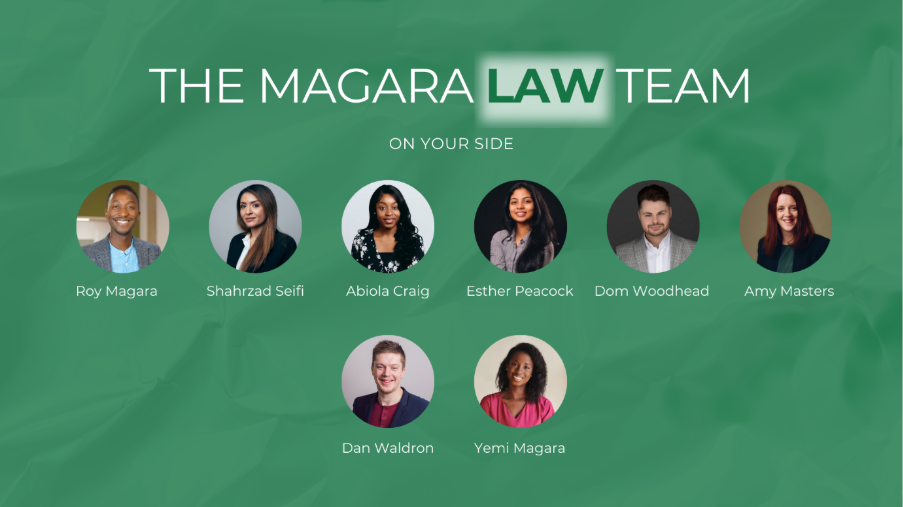
Upward bullying raises complex employment law, health, and reputational issues. Magara Law advises both employers and senior employees on preventing, managing, and resolving upward bullying disputes.
We support organisations with policy development, investigations, and risk management, and advise managers and employees on harassment claims, constructive dismissal, and strategic next steps. Early, tailored advice can prevent escalation and protect both individuals and businesses.
If you are dealing with upward bullying in the workplace, Magara Law can help you take informed, lawful, and decisive action.
Get in touch today for confidential, specialist advice. These matters rarely resolve themselves; you can do something about it today. Our friendly, committed team are on standby to support you. Call 01869 325 883 or email hello@magaralaw.co.uk to arrange a personal consultation.