
It feels like every summer in the UK now comes with the same warning: hotter days, longer heatwaves, and increased extreme weather alerts. 2026 is no exception! The Met Office issued a rare red extreme heat warning for June, with previous summer temperature records set to be smashed.
Future summers are expected to see more heatwaves too, particularly in the southeast of England, where temperatures are becoming significantly more intense as the mercury hits record levels.
The signs have already been there. Summer 2025 was officially the UK’s warmest summer on record, with temperatures reaching 35.8°C in Faversham, Kent, during an early July heatwave. The UK also experienced four heatwaves across the summer, with several days above 32°C.
For people heading into work during periods of extreme heat, the question on their lips is: do I still have to go to work when temperatures are this high?
It is not an unreasonable question. During severe heatwaves, schools may close or adjust their hours, public transport can be disrupted, travel advice may change, and the UK’s infrastructure often comes under visible strain. Trains, roads, workplaces, and public buildings are not always built for prolonged periods of extreme heat.
So, when people are being told to take care, avoid unnecessary journeys where possible, keep vulnerable people safe, and limit exposure to high temperatures, it is hardly surprising that employees start asking what this means for work.
That does not mean every employee has an automatic right to stay at home because it is hot.
But equally, it doesn’t mean that employers should not expect questions, concerns and requests for flexibility when temperatures become difficult, particularly where travel, health conditions, disability, pregnancy, menopause symptoms, uniforms, PPE or outdoor work are involved.
For employers, the question is different but just as important: what are my legal obligations when extreme heat becomes unbearable starts to affect the workplace?
The answer is more significant than many realise.
For some employees, hot weather is uncomfortable. For others, it can affect their health, safety and ability to work. That means employers cannot afford to treat extreme heat as a minor seasonal inconvenience.
Soaring summer temperatures in the UK look set to stay and with recurring heatwaves at work come the challenges that affect productivity, employee wellbeing, and health and safety compliance, all of which can potentially expose employers to discrimination claims if appropriate steps are not taken.
What does employment law say about heatwaves at work?

Under current UK employment law, there is no legal maximum workplace temperature threshold, but that does not mean employers can simply carry on as normal.
Employers have a legal duty to protect the health, safety and welfare of their staff, and that duty becomes particularly important when heatwaves at work begin to create risks for employees.
Equally, it does not mean that employees are entitled to stop working once temperatures reach a certain level, though this is a common misconception.
What’s key when navigating heatwaves at work is the risk factors that come with high temperatures, not the high temperatures themselves.
The focus should therefore be on risk rather than temperature alone.
For example, in the grip of a heatwave, a modern air-conditioned office presents very different challenges from a warehouse, construction site, commercial kitchen or manufacturing facility.
Employers should be considering factors such as:
- Ventilation and air circulation
- Access to drinking water
- Physical demands of the role
- Exposure to direct sunlight
- Humidity levels
- Requirements to wear uniforms or protective equipment
- Individual employee vulnerabilities
The question is not whether it feels hot. The question is whether employees can work safely.
Why heatwaves create particular risks for employees with disabilities
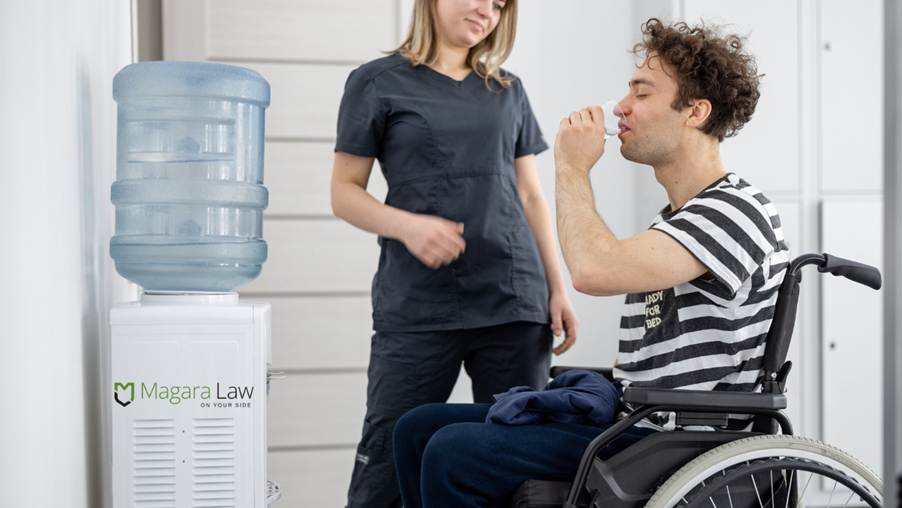
Heat can have a disproportionate impact on employees with disabilities and long-term health conditions.
Many conditions are exacerbated by high temperatures, including:
- Multiple sclerosis (MS)
- Diabetes
- Respiratory conditions
- Cardiovascular conditions
- Neurological disorders
- Certain autoimmune conditions
- Chronic fatigue-related conditions
For example, employees with MS may experience a significant worsening of symptoms when their body temperature rises. Heat sensitivity can lead to increased fatigue, impaired mobility, cognitive difficulties and reduced concentration.
Similarly, employees taking certain medications may struggle to regulate their body temperature effectively, increasing the risk of heat exhaustion or heat-related illness.
These issues should not be viewed simply as wellbeing concerns. They may engage legal obligations under the Equality Act 2010.
Heatwaves, disability discrimination and reasonable adjustments
Where an employee has a disability within the meaning of the Equality Act 2010, employers may be under a duty to make reasonable adjustments.
A heatwave may create barriers that would not ordinarily exist, meaning employers should consider whether temporary adjustments are necessary.
Examples could include:
- Allowing homeworking during periods of extreme heat
- Adjusting working hours to avoid the hottest part of the day
- Relocating employees to cooler areas of the workplace
- Providing fans or cooling equipment
- Increasing the frequency of rest breaks
- Modifying duties temporarily
- Relaxing uniform requirements where appropriate
The key point is that employers should avoid applying blanket rules without considering individual circumstances.
An employee with a heat-sensitive disability may require a different approach from colleagues who are unaffected by high temperatures. Failing to consider adjustments could expose employers to claims for failure to make reasonable adjustments and disability discrimination.
Menopause and heatwaves: An important consideration for employers

Menopause is another area that employers should not overlook.
Many organisations have made significant progress in developing menopause policies and increasing awareness in the workplace. However, heatwaves can substantially worsen menopausal symptoms, particularly hot flushes, sleep disruption, fatigue and concentration difficulties.
In some cases, menopausal symptoms may amount to a disability under the Equality Act 2010 if they have a substantial and long-term adverse effect on an employee’s ability to carry out normal day-to-day activities.
Employers should therefore approach requests for flexibility or adjustments during periods of extreme heat carefully and sensitively.
Simple measures such as remote working, access to cooler workspaces, flexible start and finish times, or additional breaks may make a significant difference to affected employees.
What about employees working outdoors?
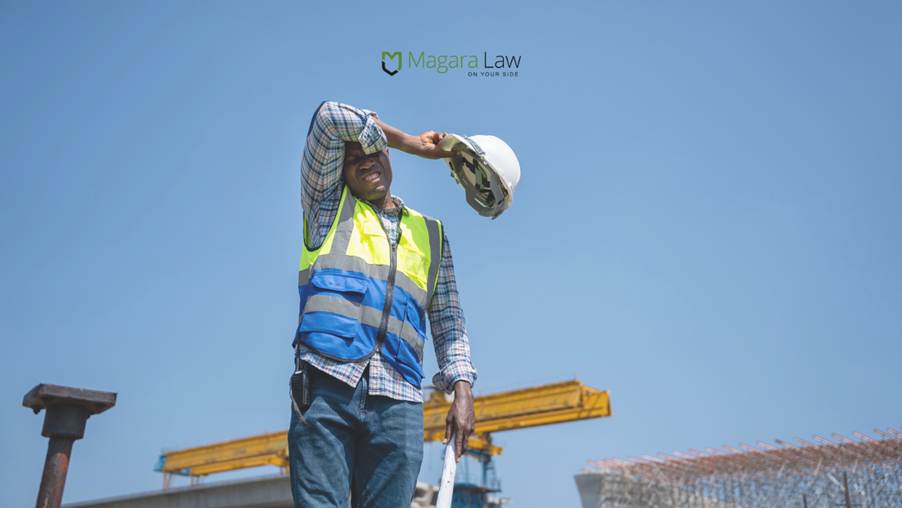
Employers with staff working outdoors face additional challenges.
Construction workers, delivery drivers, agricultural workers, grounds maintenance teams, and others who spend prolonged periods outside may be exposed to direct sunlight and excessive heat for extended periods.
Risk assessments should consider:
- Access to shade
- Availability of drinking water
- Sun protection measures
- Rest breaks
- Working patterns and shift times
- Signs of heat exhaustion and heatstroke
Managers should be trained to recognise symptoms of heat-related illness and know what action to take if an employee becomes unwell.
Can employees refuse to work during a heatwave?
There is no automatic right to refuse to attend work because temperatures are high.
However, employees do have legal protections where they reasonably believe they are facing serious and imminent danger.
Whether a particular workplace presents such a danger will depend on the specific circumstances. Factors such as ventilation, temperature levels, the nature of the work and any individual vulnerabilities will all be relevant.
Employers should avoid dismissing concerns as mere complaints about comfort. Where concerns are raised, they should be investigated properly and documented.
A constructive conversation is almost always preferable to a grievance, tribunal claim or health and safety dispute.
Five practical steps employers should take during a heatwave
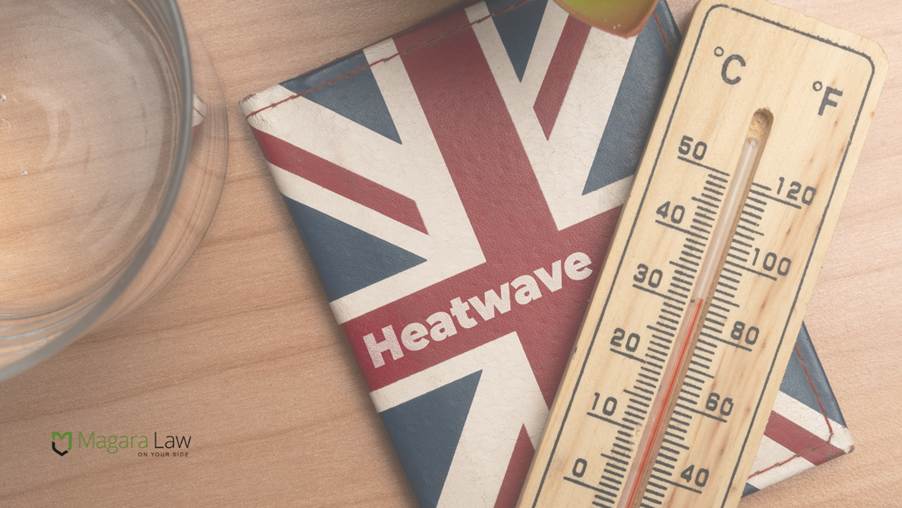
With soaring summer temperatures set to be the new norm in the UK, employers should consider taking action, starting now.
1. Review your risk assessments
Consider whether existing assessments adequately address heat-related risks and whether additional controls are required.
2. Identify vulnerable employees
Think carefully about employees with disabilities, long-term health conditions, pregnancy-related concerns or significant menopausal symptoms.
3. Introduce flexible working arrangements
Where operationally possible, consider homeworking, adjusted hours or staggered shifts to reduce heat exposure.
4. Ensure Access to Water and Cool Areas
Employees should have easy access to drinking water, adequate ventilation and cooler spaces where they can take breaks.
5. Brief managers
Line managers should understand how to identify heat-related risks, respond to concerns and recognise when reasonable adjustments may be required.
A sensible approach benefits everyone
Heatwaves are becoming a regular feature of working life in the UK. Employers who treat extreme heat as simply a comfort issue risk overlooking significant legal and practical considerations.
Taking proactive steps can help reduce absence, improve productivity, strengthen employee relations and minimise legal risk.
Most importantly, it demonstrates that employee wellbeing is being taken seriously when people may be at their most vulnerable.
How Magara Law can help

Whether you are an employer seeking practical advice on managing workplace risks during periods of extreme heat, or an employee concerned that your health, disability or menopausal symptoms are not being properly accommodated, obtaining early legal advice can often prevent issues from escalating.
At Magara Law, we advise both employers and employees on workplace health and safety obligations, reasonable adjustments, disability discrimination, menopause-related workplace issues and flexible working arrangements.
If you would like advice tailored to your particular circumstances, please contact Magara Law. We can help you understand your rights, manage your risks and find practical solutions before workplace concerns become workplace disputes.
Call 01869 325 883, email hello@magaralaw.co.uk or book your consultation direct.
Once you have scheduled your consultation, subscribe to our YouTube channel and follow us on social media for all the latest employment law updates and information you need.