

Early one morning before a hospital shift begins, a group of nurses arrive at work. They follow the same routine they have followed for years. They greet colleagues, collect equipment, and head toward the staff changing rooms before beginning their rounds.
For hospital staff, the changing room is one of the most ordinary parts of the working day – a space to change into scrubs and set themselves before a long shift begins.
But for several nurses at Darlington Memorial Hospital, that space became the centre of a legal dispute about privacy, workplace dignity, and gender segregation.
What began as an internal concern about changing room access would eventually lead to an Employment Tribunal case raising complex questions about dignity, discrimination, and competing workplace rights.
The issues raised in this case are far from isolated. Across the UK, organisations are increasingly confronting difficult questions about how to balance the rights of different groups of employees while maintaining dignity and safety for everyone at work.
For employers, these disputes are rarely theoretical. They happen in everyday workplaces, between real colleagues, and often escalate when organisations struggle to navigate the law carefully and sensitively.
In fact, workplace disputes involving equality rights have been increasing across the UK in recent years.
Ministry of Justice statistics show Employment Tribunal receipts rising significantly, with more than 12,000 single claim cases received in a single quarter during 2025 and a total open caseload exceeding 50,000 cases.
This broader trend reflects a workplace landscape where questions around equality, identity, and privacy are increasingly intersecting with employment law obligations.
The Darlington nurses’ case: what happened?

At Darlington Memorial Hospital (part of County Durham & Darlington NHS FT), seven long-serving female nurses objected to a hospital policy that let Rose Henderson, a trans woman (biologically male), use the staff women’s changing room.
They first raised concerns in mid-2023 but felt management ignored them (indeed a ten-week delay ensued). The nurses felt uncomfortable sharing a private space under these circumstances and were told only to “be more open-minded” if they were “uncomfortable”.
Eventually the nurses brought Tribunal claims for harassment (sex and gender reassignment) and indirect sex discrimination.
The Tribunal (Judge Sweeney) upheld their harassment claim. It ruled that “by requiring the Claimants to share a changing room with a biological male trans woman… the Respondent engaged in unwanted conduct related to sex and gender reassignment which had the effect of violating the dignity of the Claimants and creating… a hostile, humiliating and degrading environment”.
In short, the policy and the Trust’s dismissive handling of concerns violated the women’s dignity. (The nurses’ related claims of bullying or improper conduct by the trans colleague were dismissed, but the Tribunal emphasised that their perceptions and fears were genuine and real).
The Tribunal also found indirect sex discrimination because the practice disproportionately disadvantaged women.
Dignity, harassment and the law

The phrase “workplace dignity” often appears in employment policies, but it has a much deeper legal meaning. At its core, workplace dignity refers to the ability of employees to work without humiliation, intimidation, or the erosion of their personal boundaries.
In many disputes, dignity issues arise in contexts such as:
- bullying or harassment
- inappropriate comments
- abuse of authority
- hostile working environments
But the Darlington case highlights another dimension: dignity connected to privacy and bodily autonomy.
Changing rooms, toilets, and other private spaces are treated differently in law because they involve situations where personal privacy is inherently at stake.
However, under UK law there is no special “dignity at work” statute; instead, the Equality Act 2010 prohibits harassment related to a protected characteristic (like sex or gender reassignment) that violates a person’s dignity or creates a hostile environment.
Section 26 of the Act expressly states that harassment occurs if unwanted conduct is related to sex (or gender reassignment, etc.) and has the purpose or effect of violating dignity or creating an intimidating, degrading or offensive environment.
In Darlington, the Tribunal applied exactly this test: it found the conduct (forced sharing of the changing room) violated the nurses’ dignity. This shows that perceptions of humiliation matter – an employer can be liable even if the person triggering the concern did nothing wrongful.
As one judge put it: even though the trans nurse “did not behave improperly”, the Trust’s actions still “violated the dignity” of her colleagues.
In other words, dignity is protected through the harassment provisions. The law does not automatically grant a “right” for a person of any gender identity to access single-sex facilities if that violates others’ privacy.
Indeed, the Equality and Human Rights Commission notes that recent guidance and case law confirm “man”, “woman” and “sex” in the Act refer to biological sex, and there is no automatic legal right to enter a opposite-sex space by self-ID.
Trans people remain protected (under the protected characteristic of gender reassignment), but employers must apply a proportionality analysis when staff raise objections.
The Tribunal in Darlington effectively held that the Trust failed this test: it prioritised its trans-inclusion policy without realistically considering the other nurses’ rights to privacy and dignity.
What this case demonstrates is a crucial legal point: harassment does not require malicious intent.
Even well-meaning workplace policies can become unlawful if their effect undermines the dignity of employees.
Employment tribunals have repeatedly emphasised that the “effect” of conduct is just as important as the intention behind it. Judges must consider the claimant’s perception, the circumstances of the case, and whether it was reasonable for the conduct to have that effect.
Gender segregation and competing rights
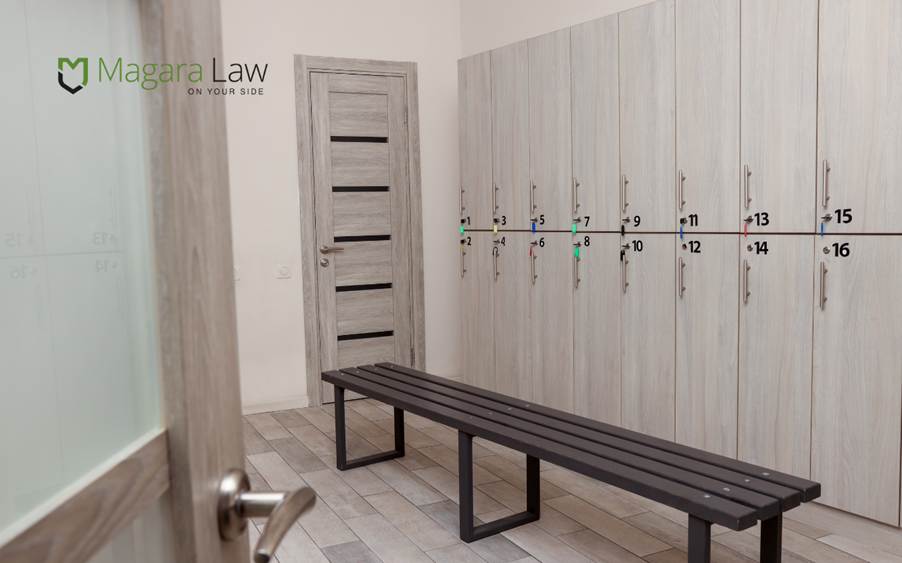
Employers often face competing legal duties. On one hand, single-sex facilities are generally lawful and can protect dignity and privacy. On the other hand, there is a duty not to discriminate against transgender workers.
After the Darlington case, tribunals have been saying neither side has an absolute right in every situation.
For example, in a related case (Peggie v Fife Health Board), the tribunal said a trans woman could use the female changing room so long as a reasonable solution was found for a gender-critical nurse’s fears – even suggesting interim changes (like adjusting schedules) until a permanent fix.
In Darlington, by contrast, the Trust simply told all the women to accept the situation “or go change elsewhere,” leaving a few to change in toilets or showers. The Darlington nurses claimed this left them feeling humiliated and ignored.
Employers should note that that blanket policies (“everyone may use any facility they identify with”) can backfire if they ignore others’ concerns.
In Darlington the Trust had the right intention (tolerance) but failed by “avoiding difficult conversations” and then “ignoring” the nurses’ complaints. The message for employers is: there may be no one-size-fits-all answer, but there must be a reasonable, documented process.
This could include offering genuinely private alternatives (e.g. separate single-occupancy facilities) and engaging with all staff, so that employees feel their perspective is respected. The courts will look at whether an employer has made a sincere effort to balance everyone’s rights.
Why these disputes are increasingly common in UK workplaces

The Darlington case is part of a wider shift in workplace law and culture.
As organisations place increasing emphasis on diversity and inclusion policies, many employers are now encountering situations where different protected characteristics appear to conflict.
Public sector workplaces, particularly in healthcare, often face these questions first because they employ large workforces and operate shared facilities.
The legal risks are not insignificant. Disputes involving dignity and discrimination can lead to claims including:
- harassment under the Equality Act
- indirect discrimination
- constructive dismissal
Compensation exposure can also be significant. For discrimination claims, compensation is uncapped, and awards often include injury to feelings damages under the Vento guidelines.
The Vento bands were updated in April 2025 and currently range from:
- £1,200 to £12,100 (lower band)
- £12,100 to £36,400 (middle band)
- £36,400 to £60,700 (upper band)
Exceptional cases can exceed these ranges.
This financial risk sits alongside the reputational consequences of workplace equality disputes becoming public.
Practical lessons for employers
The Darlington case illustrates how quickly workplace tensions can escalate when concerns about dignity and privacy are not handled carefully.
Several practical lessons for employers emerge:
- Act promptly and empathetically. If an employee raises a concern about sharing facilities, address it quickly. Outline what process will be followed and keep everyone informed (silence breeds mistrust). Delays of weeks (or telling staff they must simply adapt) can harden positions and may give rise to harassment claims.
- Listen and communicate. Have open, non-judgmental conversations with those involved. In Darlington, management did not speak individually to the nurses, which left them feeling unheard. Employers should avoid dismissive language (e.g. “you need to be educated”) and instead explain concerns and options clearly.
- Review your policies. Ensure your equality, Dignity-at-Work and Trans Inclusion policies are aligned and practical. Don’t let a written policy be an excuse for ignoring real problems. For example, if policy says people can use facilities by self-ID, also have a documented plan for how to accommodate others who object. Legally, a policy cannot trump the requirement to take reasonable steps to prevent harassment.
- Provide reasonable alternatives. Where possible, offer alternative facilities (like a unisex or single-occupancy room) to anyone uncomfortable. In tribunals, justifying an arrangement often hinges on whether the employer offered realistic options. In Darlington, no real alternative was provided, which hurt the Trust’s case.
- Train managers on harassment law. Make sure those running shifts understand that harassment can include perceived dignity harms. Regular equality and harassment training (for example, covering Equality Act s.26) helps managers spot issues early. Tribunals are likely to consider whether “reasonable steps” (like training and risk assessments) were taken to prevent harassment.
Handling these situations carefully not only reduces legal risk but also builds trust. Small missteps (avoiding a meeting, using the wrong words, delaying response) compounded into big problems in Darlington.
By contrast, transparent dialogue and documented support plans tend to defuse conflicts before they reach tribunal.
The Magara Law perspective

Cases like the Darlington nurses dispute demonstrate how quickly complex legal questions can arise from everyday workplace situations.
What begins as a concern about changing room access can escalate into serious legal disputes involving dignity, discrimination, and organisational responsibility.
At Magara Law, we regularly advise both employers and employees navigating difficult workplace conflicts, particularly where competing rights, equality law, and sensitive workplace issues intersect.
Early legal advice often prevents disputes from escalating. It allows organisations to respond thoughtfully, and it helps individuals understand their rights before positions become entrenched.
If you are dealing with workplace concerns involving dignity, discrimination, or equality law, our team is here to help.
Call 01869 325 883 to speak to our specialist employment law team today or email hello@magaralaw.co.uk and we’ll be in touch.
In the meantime, for more information specific to your type of case, check out our employment law videos page or view our latest articles.